
Proffesional Onsite and Relevant Training Services

Module 1: Service station operations
Module 1 serves as the foundation of the training programme and functions as a practical operational manual for service station management. It provides a comprehensive overview of the key principles required to manage a service station in compliance with South African operational, health, environmental, and safety standards. The module introduces learners to the structure and dynamics of the South African oil industry and equips them with the knowledge to apply effective service station operations management and control strategies. These include forecourt operations, staff supervision, risk management, compliance, and performance monitoring, all of which are explored in greater detail throughout the subsequent modules.
Module 2: Managing procedures that increase net income
Module 2 is designed for individuals responsible for operational activities and procedures that directly impact the net income of a service station. The module equips learners with the skills to analyse store performance, interpret sales, gross profit, and operational expense data, and develop practical action plans to improve overall profitability. Participants will gain a clear understanding of how sales performance, gross margins, and operating costs influence net profit, and will be able to plan, implement, and manage operational improvements within a wholesale and retail service station environment to enhance bottom-line results.

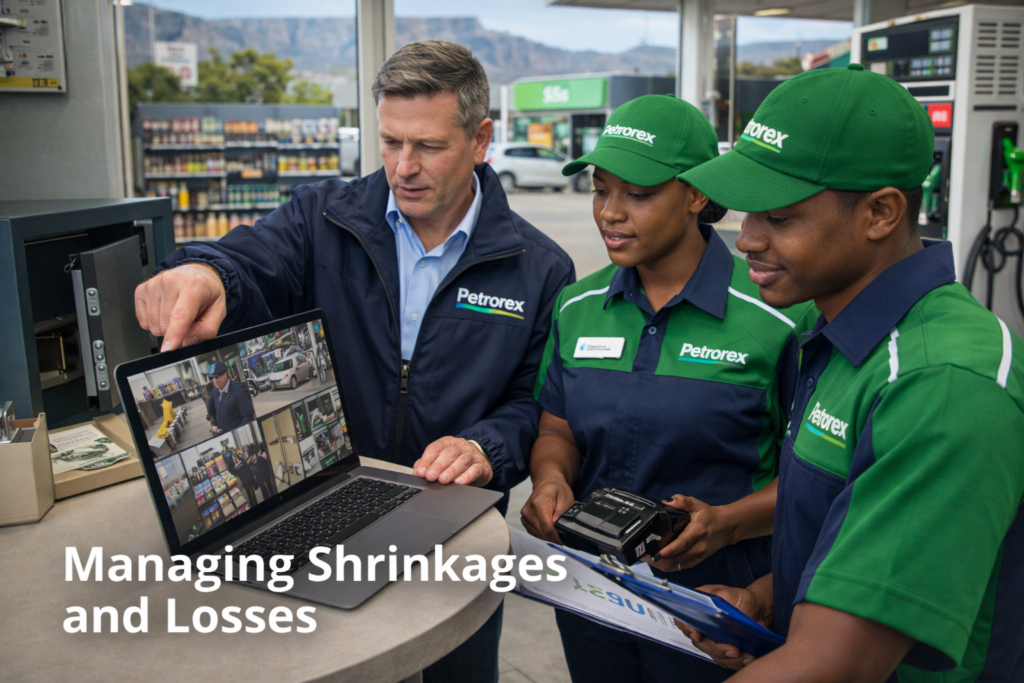
Module 3.1: Manage shrinkage and losses
Module 3 focuses on the implementation and management of operational processes that directly impact shrinkage and losses within a service station environment. This module equips learners with the ability to identify and analyse high-risk areas, and to plan and implement targeted actions to reduce losses related to safety incidents, cash handling, stock storage, bad debt, and both internal and external theft. Participants will develop the skills required to manage loss control initiatives effectively, ensuring improved operational discipline, reduced risk exposure, and a measurable improvement in the service station’s bottom-line performance.
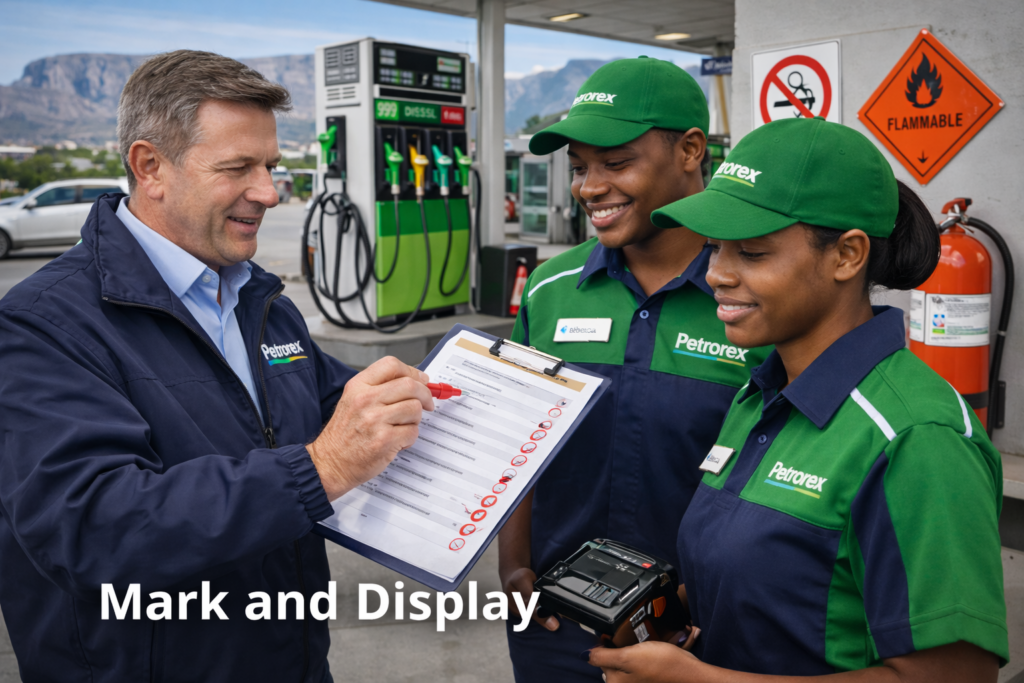
Module 3.2: Mark and Display
This unit standard is intended for entry-level occupations within the wholesale and retail sector and for individuals responsible for marking merchandise and maintaining in-store displays in accordance with given instructions. Learners operate under general supervision and apply established procedures within familiar retail environments. Upon completion, individuals will be able to replenish merchandise, change and maintain displays as instructed, accurately mark stock and merchandise, and ensure that displays meet safety requirements while minimising losses. The unit also develops the ability to process basic operational information to support effective day-to-day retail activities.
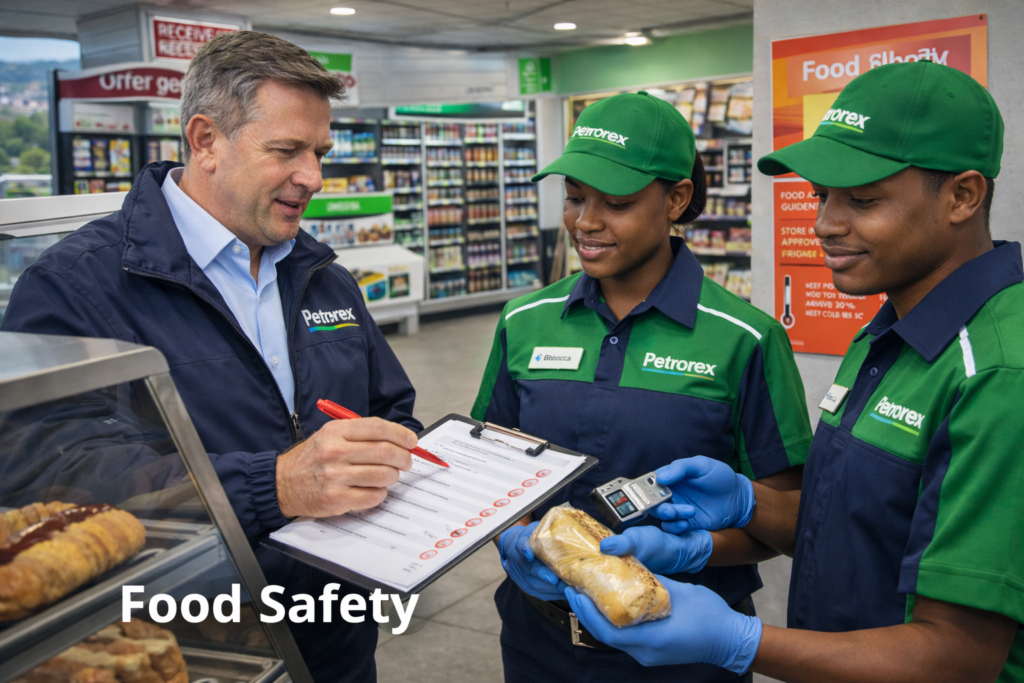
Module 3.3: Food Safety
This unit standard is intended for new entrants to the wholesale and retail environment where prepared, hot, frozen, and refrigerated foods are handled and sold. The module equips learners with the knowledge and practical skills required to maintain a safe and healthy food environment in the workplace. Participants will be able to implement applicable food safety legislation, prevent food contamination, and apply effective temperature control measures to ensure compliance, protect customers, and uphold operational standards.
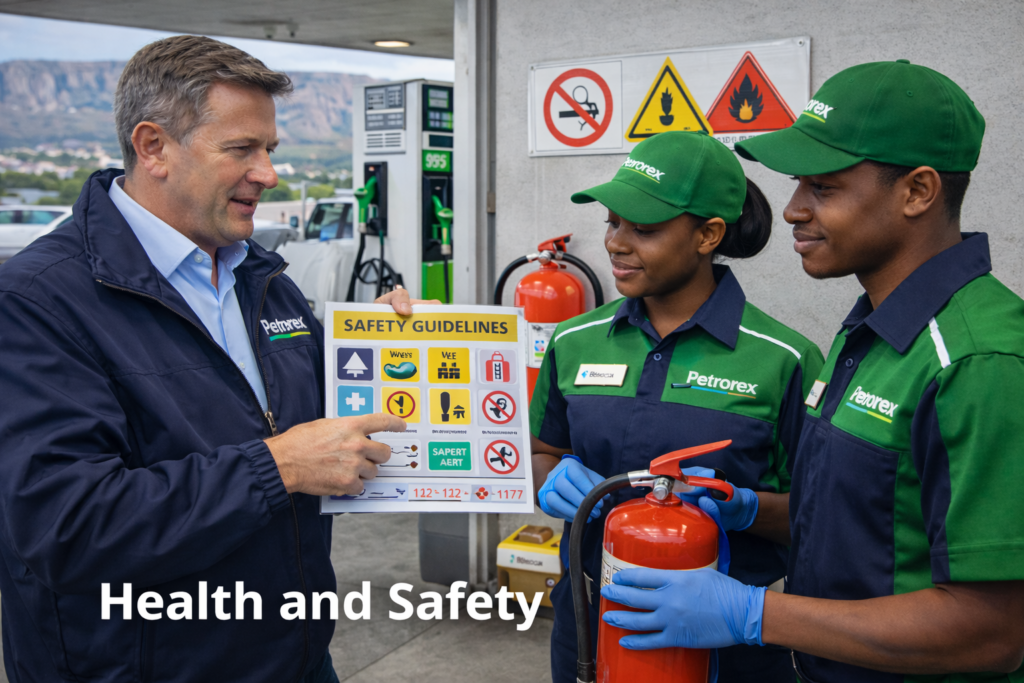
Module 4: Occupational Health and Safety
Module 1 serves as an operational manual for safety, health, and environmental management at service stations, ensuring compliance with the requirements of relevant legislation. The module clearly outlines legal responsibilities and operational obligations, including the roles and accountabilities defined within the relationship between the oil company and the service station owner or dealer. It provides a structured framework for managing compliance, reducing risk, and maintaining safe and environmentally responsible service station operations.

Module 5: Labour guidelines
This module provides clear guidelines for managing labour matters in line with the Motor Industry Bargaining Council (MIBCO) Agreement. It equips service station owners, managers, and supervisors with an understanding of applicable labour requirements, workplace obligations, and fair employment practices, ensuring compliance, effective workforce management, and alignment with industry standards.
Module 6.1: Record transactions
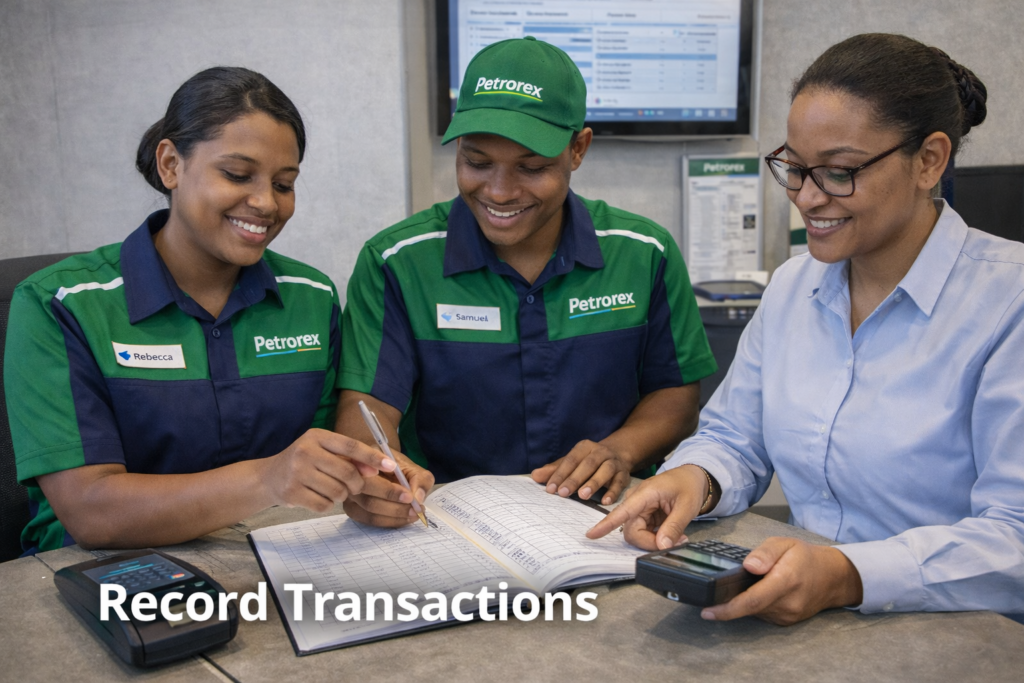
The purpose of this unit standard is to ensure that all point-of-sale transactions are accurately recorded, including transactions where no direct financial exchange takes place. This module equips learners with the skills required to capture accurate information relating to goods and services, participate effectively in point-of-sale transactions, and issue customers with appropriate proof of transaction. Through this programme, participants will learn how to prepare for point-of-sale activities, record transactions correctly, and interact professionally with customers while maintaining accuracy, accountability, and operational compliance.
Module 6.2: Receiving stock
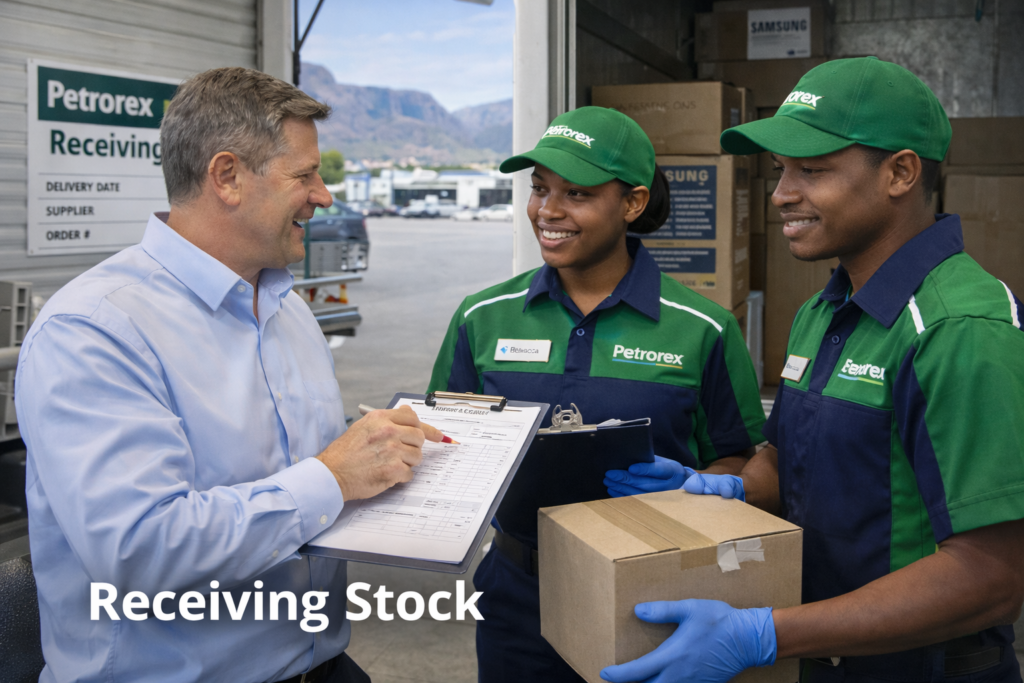
This learning module is based on Unit Standard 114896: Receive stock in a wholesale/retail outlet and is intended for individuals responsible for receiving stock within a wholesale or retail environment. Learners operate in a variety of contexts, including some non-routine situations, and develop the ability to compare and interpret available information. The module equips participants with the skills to receive goods accurately, implement security procedures to prevent shrinkage and losses in the receiving area, and record required stock information to maintain accurate stock balances. These competencies contribute to improved operational control and enhanced supply chain efficiency.
Module 7: Perform Vehicle Maintenance Functions on the Forecourt - Excellent Forecourt Service
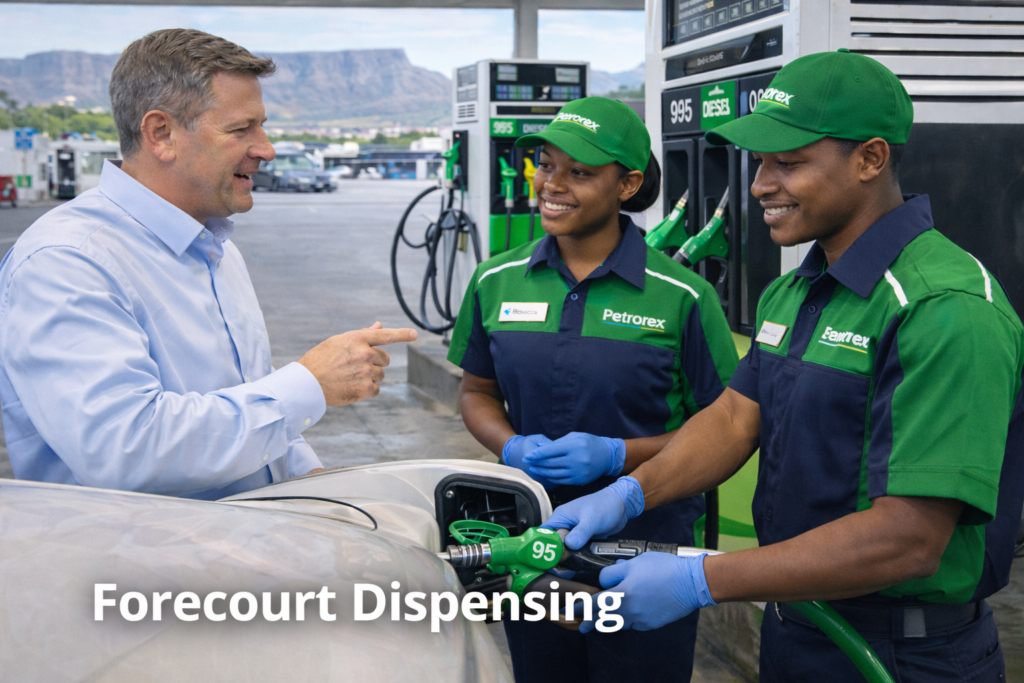
This learning module is based on Unit Standard 256599: Perform vehicle maintenance functions on the forecourt and is intended for new entrants to the fuel retail industry. The programme equips learners with the practical skills required to dispense fuel safely, perform basic vehicle maintenance checks, and maintain high standards of housekeeping on the forecourt. In addition, the module emphasises health and safety compliance and sound labour relations, ensuring that participants are prepared to operate professionally and safely within a service station environment.
Module 8: Customer Service
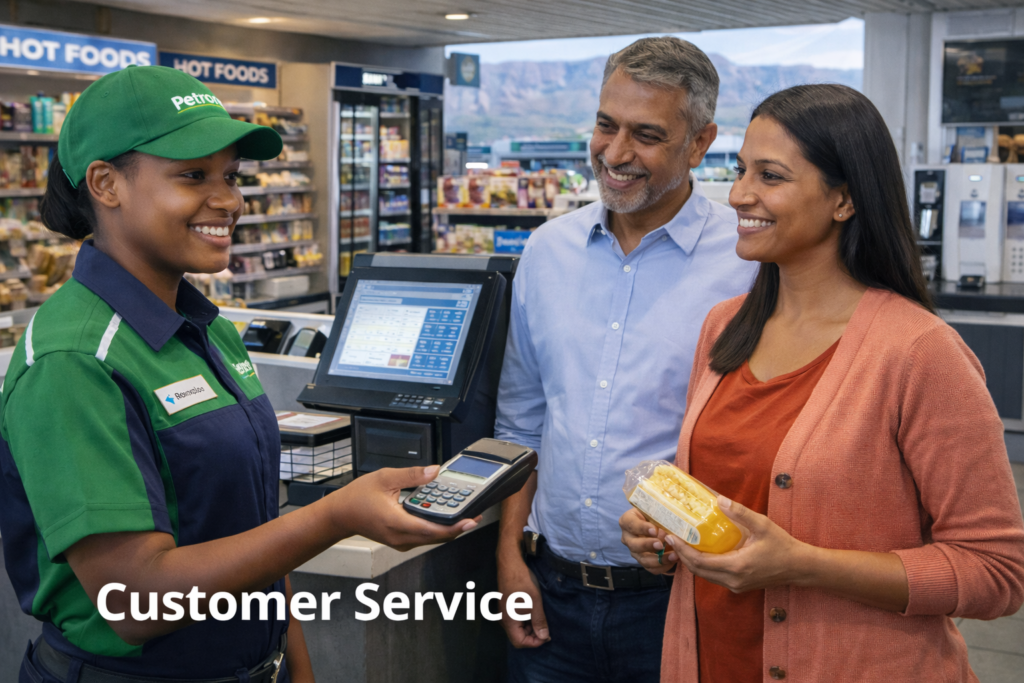
This module equips learners with the skills and knowledge required to deliver professional, consistent, and customer-focused service within a service station and retail environment. The programme focuses on effective communication, customer interaction, problem-solving, and service recovery, ensuring positive customer experiences across the forecourt and in-store areas. Learners will develop the ability to handle customer enquiries and complaints confidently, build customer loyalty, and represent the brand in a professional manner while supporting operational efficiency and business growth.
Module 9: Car-wash Operations
This module provides learners with the practical knowledge and operational skills required to manage and operate a service station car wash effectively. The programme covers correct operating procedures, equipment handling, chemical use, water management, housekeeping, and health and safety requirements. Learners will be equipped to deliver consistent service quality, prevent damage and losses, and ensure safe, efficient, and compliant car wash operations that contribute to customer satisfaction and additional revenue generation.